My Greece Tours offers expert-guided, authentic Greek trips. You find hidden gems, local tips and personal plans beyond the tourist trail.
Greece feels different the moment you step off the plane. The light is sharper, the history is heavier, and the food beats anything back home. But Greece rewards people who know where to look. That is exactly where My Greece Tours comes in.
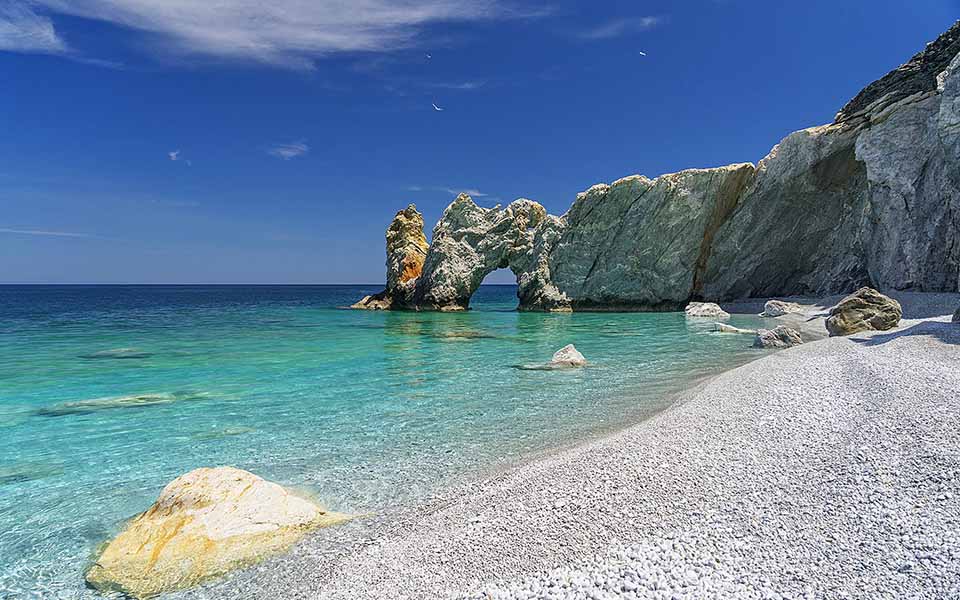
At My Greece Tours, we are not a faceless travel agency selling cookie-cutter packages. We are local, and we care deeply about this country. We have spent our lives exploring every corner of it. That means everywhere from the marble steps of the Acropolis to the volcanic beaches of Milos.
Maybe you are a first-time visitor trying to make sense of the islands. Maybe you are coming back and want to finally get beyond the tourist trail. Either way, this guide shows how to explore Greece the right way. That means expert help, real experiences and a plan built around you.
What Makes My Greece Tours the Best Guide for Exploring Greece
Plenty of tour companies promise an “authentic” Greek experience. Most deliver a bus, a headset and a rushed walk past the highlights. My Greece Tours does things differently.
My Greece Tours is built on real, lived knowledge of Greece. Our founder, Yannis Divramis, was born in Greece. He grew up between the islands of Milos and Santorini. These two places could not be more different, so he learned early how varied Greece really is.
He visits Athens every month. He makes regular trips to Meteora, Pelion and Patmos. Every summer, he spends at least a month island hopping. His stops include places like Lefkada, Corfu, Skiathos, Crete and Messinia.
This is not background research. It is a life spent deep inside the country we guide you through.
Our itineraries mix major landmarks with quiet stops that only a local would know. The landmarks include Athens’ Acropolis, ancient Olympia and the caldera of Santorini.
The quiet stops include hidden tavernas and calm coves. One is a mountain fish farm outside a village that tourists never reach. When you travel with My Greece Tours, you do not just see Greece. You understand it.


The Philosophy Behind Every Itinerary: Authenticity, Heritage, and Local Insight
We believe the best travel moments are not manufactured. They are discovered. That idea sits at the heart of every itinerary we build.
Greece has been a crossroads of civilization for thousands of years. Its myths, buildings, food and customs did not appear out of nowhere. They grew through centuries of trade, conflict and cultural exchange. We think travelers deserve to feel that depth, not just glance at it through a bus window.
Every route we design rests on three principles: authenticity, heritage and local insight.
- Authenticity means we take you to places that reflect real Greek life. Think busy morning markets, village festivals, family-run wineries and coastal paths that locals really use.
- Heritage means we never rush past a site without context. Our guides bring myths, building history and human stories to every stop.
- Local insight means people who live here handle the logistics. We know which ferry routes are comfortable, which restaurants are worth the walk and which sunset spots beat the crowds.
The result is a trip that feels less like a tour. It feels more like a long stay with a well-connected friend.
Tour Options Designed for Every Type of Traveler
Greece is not a one-size-fits-all place, and neither are the trips from My Greece Tours. We built our tours for many kinds of travelers. That includes history fans, beach lovers, families, solo adventurers and couples who want something truly memorable.
Here is how our main tour types break down. Each one suits a different trip.


Private and Small-Group Tours of the Greek Mainland
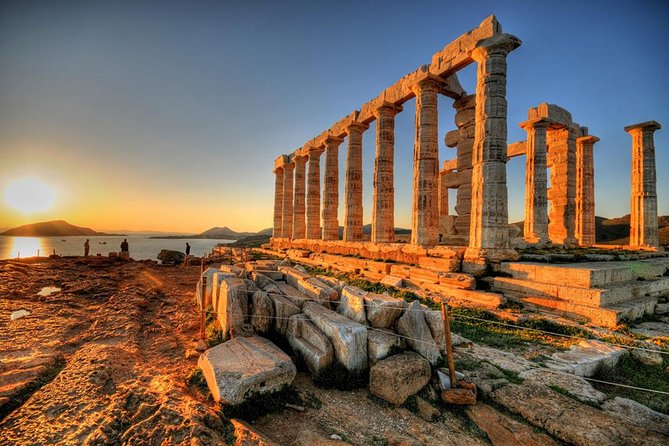
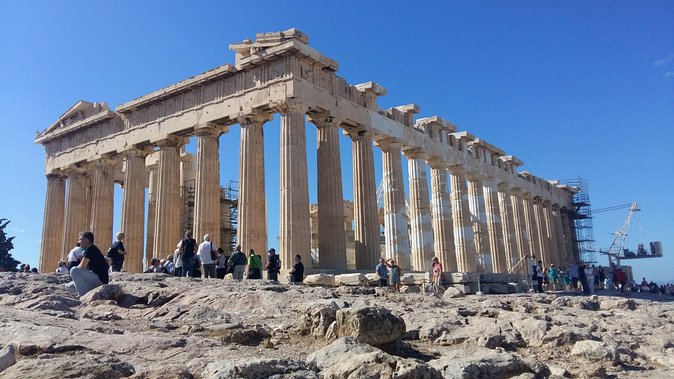
The mainland is where Greece tells its ancient story most powerfully. Our private and small-group mainland tours cover the famous sites. These include the Acropolis and the Parthenon in Athens, the oracle sanctuary at Delphi and ancient Olympia, birthplace of the Olympics. But My Greece Tours goes further than the textbook stops.
Expert talks bring the buildings and myths to life in a way a printed guide cannot. Between the big sites, we add stops that surprise people every time. You might visit a working winery in the Peloponnese or a Byzantine church tucked into a hillside.
Or you might reach a mountain village where time has slowed down. Groups stay small on purpose. That means better access, more conversation and a far more personal trip than any large coach tour.
Greek Island Hopping: Curated Multi-Island Experiences
Island hopping is one of the great joys of Greece. It can also be a big headache if you do not know what you are doing. Ferry times, connections, room availability and summer crowds can turn a dream trip into a stressful puzzle.
We handle all of it. Our multi-island routes are handpicked for flow, variety and beauty. A typical plan might pair the famous glamour of Mykonos with the dramatic volcanic views of Santorini.
Then the route might switch to the quieter, wilder charm of Milos. Yannis knows Milos better than almost anyone, because he grew up there. We plan ferry travel so you spend time on the islands, not waiting on docks.
Sunset spots, sea cave trips and real waterfront meals are all mapped out in advance. Still, the plan stays flexible enough to breathe.


Tailor-Made Itineraries for a Truly Personalized Journey
Sometimes a set route just does not fit. Maybe you have a fixed travel window or a family with several generations and different interests. Maybe a place on your list is one nobody else seems to offer. That is where the custom service from My Greece Tours comes in.
Yannis works directly with you to design an itinerary from scratch. We look at your travel dates, must-see places, pace, budget and any special occasions. These could be anniversaries, big birthdays or honeymoons.
The result is a plan that feels fully your own. There are no compromises, no pointless stops and no one-size-fits-all logic. It is just Greece, exactly the way you want to see it.
Meet the Experts: Licensed Local Guides and Travel Specialists
The quality of any guided tour comes down to one thing: the people who lead it. On that front, we think My Greece Tours has a real edge.
Yannis Divramis is a native Greek speaker and a lifelong island dweller. He treats every tour like a personal invitation into his homeland. He has led travelers through the sea caves of Kleftiko in Milos and up to the cliff monasteries of Meteora.
He has also guided people through the maze of streets in Plaka, Athens. He often visits the same spots dozens of times without growing tired of them.
Beyond Yannis, our wider network includes licensed local guides who focus on certain regions and periods of history. They are not generalists reading from a script. They are historians, archaeologists and culture lovers who are also great at explaining what they know.
Travelers often note the difference in reviews. They mention deep knowledge, a warm welcome and a guide who truly cared about making the trip meaningful. Larger operators, because of their size, cannot copy this level of care.
From First Inquiry to Final Itinerary: How the Booking Process Works
We have tried to make planning as easy as the travel itself. It starts with a conversation.
You reach out through our website and tell us when you are thinking of traveling. You share what interests you, how many people are coming and any must-haves. From there, our team builds a proposal based on your input. You get a careful plan with no brochure filler and no upsell pressure.
Once you are happy with the itinerary, we handle the logistics. That covers rooms, transport links, ferry bookings and guide assignments. It also covers special requests like restaurant bookings or private site access.
On travel day, My Greece Tours stays reachable. If something changes, we adapt. That could be a ferry delay, a weather shift or a sudden wish to stay an extra night somewhere.
The goal is simple. You arrive in Greece and enjoy it, while people who know the country inside out handle everything behind the scenes.
Stress-free does not have to mean rigid, and we built our process around that idea. For more ideas, explore Greece tours and Tours In Greece.


Why Travelers Choose My Greece Tours Over Other Greece Tour Operators
There are plenty of ways to book a Greece tour in 2026. Platforms like Viator list hundreds of options. Large international operators cover the whole Mediterranean. So why do travelers keep coming back to My Greece Tours and sending their friends?
The short answer: local knowledge and real flexibility beat size every time. Larger operators run on volume. Their guides rotate and their itineraries are standard. Their idea of “personalized” often means picking from three set packages.
We work differently. Our groups stay small, and our guides have deep roots in their regions. At My Greece Tours, itineraries are flexible enough to change with what is really happening on the ground.
Reviews from past travelers point to a few common themes. They praise the quality of the guiding and the easy communication during planning. They mention surprise discoveries that made their trip feel unique.
They also felt that someone truly cared about their experience. One traveler called it “the difference between being a tourist and actually traveling.”
We are also honest about what we do well. We focus on Greece. We do not spread ourselves thin across dozens of countries and hope for the best.
That focus shows in the depth of what we offer. It is one of the clearest reasons people choose My Greece Tours when they are serious about getting Greece right.
Conclusion
Greece rewards travelers who come prepared. That does not mean a checklist, but the right guide. The country reveals itself slowly and gives more the deeper you go.
The famous sites are amazing, but the moments between them tend to stay with people longest. Think of a chat over coffee in a harbor village or a swim in a sea cave at golden hour. Or the taste of wine from grapes grown a mile away.
At My Greece Tours, we have built everything around helping you find those moments. If you are ready to start planning, reach out to us. Let’s build something worth remembering.
Key Takeaways
- My Greece Tours specializes in authentic, locally-guided experiences built on the founder’s lifelong immersion in Greece, offering a stark contrast to cookie-cutter package tours.
- The company’s three core principles—authenticity, heritage, and local insight—ensure travelers experience real Greek life while gaining deep historical and cultural context at major sites.
- Tours are available across multiple formats including private mainland tours, curated island-hopping itineraries, and fully tailor-made experiences designed around individual preferences and travel dates.
- Licensed local guides and regional specialists provide expert knowledge based on decades of lived experience, consistently delivering discoveries and personalized attention that larger operators cannot replicate.
- The booking process prioritizes stress-free planning and flexibility, with support throughout your journey to adapt to changes and ensure every moment in Greece feels genuinely meaningful.
Frequently Asked Questions About My Greece Tours
What makes My Greece Tours different from other Greece tour operators?
My Greece Tours stands out through local know-how, small groups and flexible itineraries. Yannis Divramis builds them as a native Greek speaker with lifelong knowledge of the country. Larger operators sell standard packages, but we put real discoveries and personal service ahead of volume.
How does My Greece Tours blend mainland and island experiences?
My Greece Tours combines famous mainland sites with handpicked island-hopping routes. These include Athens’ Acropolis, Delphi and ancient Olympia, plus islands like Mykonos, Santorini and Milos. We plan the logistics so you spend time enjoying Greece, not managing ferry times.
Can I book a tailor-made itinerary with My Greece Tours?
Yes. Yannis works directly with you on a custom itinerary built around your dates, interests, pace, budget and special occasions. There are no set packages. Each trip is built fully around what you want and need.
What should I expect from the booking process at My Greece Tours?
Contact My Greece Tours with your travel dates and interests. Our team creates a proposal made for you. Then we handle all the logistics, from rooms and transport to ferries, guides and restaurant bookings. We stay reachable during your trip to adapt to changes or surprise chances.
Are your guides licensed and experienced in Greek history and culture?
Absolutely. Our team includes Yannis Divramis and licensed local guides who are historians, archaeologists and culture experts. They are not generalists reading from scripts. They bring real passion and deep knowledge of myths, buildings and everyday Greek life to every tour.
What types of travelers does My Greece Tours serve best?
My Greece Tours serves history fans, beach lovers, families, solo adventurers and couples. Options range from private mainland tours and handpicked island hopping to fully custom trips. That way, every traveler finds a trip that fits their interests and travel style.
See more tours:
- Aegina
- Agkistri Boat Tours: Agistri Island Cruises & Activities – Amazing Tours on Agistri Island
- Alonissos
- Amorgos Travel Guide: Explore Amorgos Island, Amorgos Greece
- Ancient Corinth
- Andros
- Astypalaia-Your Ultimate Guide to Astypalaia Island, Greece: A Greek Paradise
- Athens Travel Guide: Best Things to Do in Athens, Greece – Your Ultimate Athens Guide
What does an authentic trip with My Greece Tours feel like?
An authentic trip with My Greece Tours feels slow, local and personal. You spend time with people, not just at famous sights. The days have room to breathe.
Mornings in a village square
Picture a small square with a plane tree, a church and a café. Old men play cards and sip thick Greek coffee, while a baker sells warm bread and cheese pies. On an authentic trip with My Greece Tours, a morning like this matters as much as any ruin.
Village life in Greece moves at its own speed. Many shops close in the early afternoon, and the streets wake up again in the evening. To see this side of the country, start with this guide to traditional Greek villages worth a visit.
Food that comes from down the road
In much of rural Greece, the food on your plate was grown nearby. The olive oil may come from the family’s own trees, and the cheese from a shepherd in the next valley. With My Greece Tours, you learn to notice these short food chains and enjoy them.
This is not a fancy food scene, but simple cooking with good ingredients and a lot of care. A plate of beans, fresh bread, a tomato salad and local wine can feel like a feast. Many travelers say these simple meals are what they miss most at home.
People first, sights second
The memories that last often come from small meetings. A beekeeper shows you a frame full of honey. A grandmother teaches you to fold a pie. A fisherman points to the best swimming spot. A good trip with My Greece Tours leaves space for these moments.
You can read more about how to experience local Greek traditions before you go. It also helps to compare trip styles. This guide to authentic small-group and private tours in Greece explains the main choices.
The key idea is simple. Authentic travel means taking part, not just watching. When you plan with My Greece Tours, think about who you want to meet as well as what you want to see.
Why authentic travel needs a little planning
Genuine local experiences rarely happen by accident in the busy season. Family producers are working people, and their calendars follow the harvest. A visit often needs a phone call, a translator or a trusted introduction. That is where planning with My Greece Tours in mind really helps.
Careful planning also protects the communities you visit. Small villages can feel overwhelmed when large groups arrive without warning. Respectful timing keeps traditional life genuine for everyone, including future visitors.
Which places suit an authentic trip with My Greece Tours?
The best places mix village life, local food and real work on the land. Some are famous, and some are quiet. Here are strong choices by type.
Each place below has its own food, crafts and daily rhythm. On an authentic trip with My Greece Tours, aim for spots with a lived-in feel, not just a pretty view. For more ideas, see these hidden gems beyond the tourist trail.
Mainland mountains and food towns
- Pelion: stone villages, old mule paths, apple and chestnut trees, and sweet fruit preserves made at home.
- Meteora: monasteries on tall rock towers, with quiet villages like Kastraki at the base.
- Delphi: the ancient sanctuary, plus a huge olive grove that runs down the valley to the sea.
- Thessaloniki: a food-loving city with covered markets, bougatsa breakfasts and long, social dinners.
The mainland is great for slow travel by car or bus. Distances look short on a map, but mountain roads take time. A My Greece Tours plan for the mainland works best with two or three nights in each place.
Islands with strong farming roots
- Crete: olive oil, mountain cheese, raki and shepherd villages high in the hills.
- Naxos: a true farming island with potatoes, graviera cheese and marble villages inland.
- Ikaria: a relaxed island known for long lives, late nights and all-night village feasts.
- Sifnos: a cooking island with clay-pot dishes and a long pottery tradition.
These islands have real farm life beyond the beaches. Visit the inland villages, and you meet people who still work the land. That is the kind of contact My Greece Tours travelers come for.
Quiet islands with a village rhythm
- Kythira: a calm island with thyme honey, stone villages and a short walk to a small waterfall.
- Symi: a colorful harbor, steep stone steps and tiny fried shrimp served in local tavernas.
- Syros: a lived-in capital, San Michalis cheese and soft, sweet loukoumi treats.
- Kefalonia: green hills, family wineries and Robola white wine grown on mountain slopes.
Quiet islands give you more time with locals. Shop owners have time for conversation, and tavernas feel like family kitchens. If you want a calm, real side of Greece, ask My Greece Tours about islands like these.



How many days does an authentic trip with My Greece Tours need?
Most authentic trips need at least a week. Ten to fourteen days feels even better. Slow travel is the whole point.
Four or five days: a short taste
With four or five days, keep it simple. Spend two days in Athens and two or three days in one nearby region. Delphi, Pelion or a close island all work well. This short plan suits a first trip with My Greece Tours in mind.
If this is your first visit, read this Athens itinerary for first-timers. It helps you use your city days well before you head out to the villages.
Seven to nine days: two regions
A week lets you add a second region. You might pair a mountain area with a farming island. For example, try Pelion and then Naxos, or Delphi and then Crete. Each place gets three or four nights, which is enough to settle in.
History fans can mix ancient sites with village stays. This four-day tour of ancient Greece from Athens shows how the classic sites link up by road. A My Greece Tours week can then end with a few calm days on an island.
Here is one example. Spend two nights in Athens, three in Pelion and three on Naxos. You get city culture, mountain villages and island farm life in one relaxed My Greece Tours week.
Ten to fourteen days: the full slow trip
Two weeks is the sweet spot for an authentic trip with My Greece Tours. You can see Athens, two mainland areas and one or two islands. You also get rest days with no plans at all. Those empty days are often when the best meetings happen.
A longer trip also lets you drive the back roads. These scenic drives in mainland Greece pass through olive groves, gorges and mountain villages. Stop often, because the small roadside cafés are part of the fun.
How hard is it on your body?
Authentic trips in Greece involve more walking than you might expect. Village lanes are steep, and many have stone steps. The Meteora monasteries have long stairways. Summer heat can make even short walks tiring, so plan rest in the afternoon.
If you have knee, back or heart problems, mention it early when you talk with My Greece Tours. That way, the pace can match your needs. Good shoes, a hat and plenty of water help every traveler.
How can you meet olive oil, honey, cheese and wine makers with My Greece Tours?
You meet producers by visiting their farms, mills and cellars. Timing and a local contact make the biggest difference. Here is what each visit is like.
Olive groves and olive oil mills
Olive oil is the heart of Greek food. The harvest usually runs from late October into December or January. During that time, many village mills work day and night. On a trip with My Greece Tours, a mill visit in harvest season is a real highlight.
At a tasting, you sip a little oil from a small cup. Fresh oil can sting the back of your throat, and that peppery bite is a good sign. Crete, Messinia near Kalamata and the plain below Delphi are all big olive regions.
Buy oil in metal tins, which travel better than glass. Pack it in your checked bag, not your carry-on. A tin of oil from a family grove is one of the best gifts from a My Greece Tours trip.
Beekeepers and Greek honey
Greece has many small beekeepers who move their hives with the seasons. Thyme honey from the islands is light and floral, while pine honey is darker and less sweet. Fir honey from mountain areas is thick and rich.
A beekeeper visit usually means a short talk, a look at the hives from a safe distance and a tasting. Try honey on thick yogurt with walnuts. It is a simple snack that many Greeks love. Ask before you go if you have a bee allergy.
Shepherds and cheese makers
Greek cheese comes mostly from sheep and goat milk. Feta is the famous one, but there is much more. Crete and Naxos make graviera, a hard, nutty cheese. Metsovo in the northern mountains makes a smoked cheese called metsovone.
Visiting a small dairy is best in spring, when the animals give the most milk. You may watch fresh cheese being made in big pots. Shepherds often offer soft, fresh cheese with honey. Say yes, and say thank you in Greek. It is a moment many My Greece Tours travelers remember.
Small family wineries
Greek wine has improved enormously in quality over recent decades. Each region has its own grapes, like Assyrtiko on Santorini, Agiorgitiko in Nemea and Xinomavro in Naoussa. This guide to popular wine regions in Greece explains where to go.
Small wineries are often run by one family. Book ahead, because they may not have a tasting room open all day. Never drive after tastings; use a driver or a guide.
For the food side, see this guide to Greek food to try on tour. Wine and food together make a My Greece Tours day complete. Many producers also sell olive oil, vinegar or preserves at the cellar door.
What is cooking with a local family like on a My Greece Tours trip?
Cooking with a family means working in a real home kitchen. You shop, chop, cook and then eat together. It often feels like visiting relatives.
How a home cooking day works
Most sessions start with a walk to the garden, the market or the bakery. Your host shows you which greens, herbs and vegetables are in season. Then you head to the kitchen and get to work. A typical session lasts three to four hours, including the meal.
The best part is the table at the end. You eat what you made, often with local wine and lots of stories. On a My Greece Tours trip, this can be the meal people talk about for years.
Dishes you might learn
Many families teach pies with hand-rolled pastry, such as spinach pie or cheese pie. Others teach stuffed vine leaves, stuffed tomatoes or slow-cooked beans. On islands, you may learn fish soup or fritters made from local vegetables. On Santorini, small tomato fritters are a classic.
Desserts are part of the fun. You might fry loukoumades, which are small puffs soaked in honey. You might also learn a spoon sweet, which is a thick fruit preserve served with coffee. Ask your host for the family recipe, and write it down in their own words.
Being a good guest in a Greek kitchen
Arrive punctually, wash your hands and ask permission before taking photos. Tell your host about allergies before the day, not at the table. Offer to help clear up at the end. Small gestures like these matter a lot to Greek hosts.
Do not worry if your pastry tears or your folds look messy. Greek grandmothers have seen it all, and they usually laugh kindly. What counts is that you tried. That spirit sits at the heart of every My Greece Tours cooking day.
Cooking with kids and rough costs
Cooking classes work well for children, who love rolling dough and frying sweets. This guide to family-friendly Greece travel has more ideas for trips with kids. Home cooking sessions often cost roughly 60 to 150 euros per person.
Prices depend on the island, the group size and whether wine is included. Ask what is included before you book. With My Greece Tours, it helps to plan cooking days early in the trip, so you can use what you learn later.
Where can you find traditional crafts and markets with My Greece Tours?
Weekly street markets and old city markets are the easiest places to start. Craft workshops are often found in villages and small island towns. Both show you everyday Greek life.
The weekly street market
Almost every Greek town has a weekly open-air market called a laiki. Farmers sell fruit, vegetables, olives, eggs, honey and herbs. Sellers call out prices and often let you taste. Go early in the morning for the best choice and the coolest air.
Bring cash, a shopping bag and a few Greek words. Prices are usually fair, so there is little need to haggle. A laiki visit is a simple, low-cost way to add local life to any My Greece Tours trip.
City food markets
Athens has a large central market on Athinas Street, with meat, fish, spices and dried fruit. Thessaloniki has the Kapani and Modiano markets near the center. Heraklion in Crete has a market street full of cheese, herbs and raki.
This city-by-city guide to Greek food markets lists more options. In Athens, pair a market visit with this Athens street food guide for inexpensive, tasty bites. A market morning is an easy way to start a My Greece Tours city day.
Crafts that are still alive
Many traditional crafts still survive in Greece. Sifnos is known for pottery, and some workshops still shape clay by hand on the wheel. Cretan villages such as Anogia keep a strong weaving tradition. Chania has an old street of knife makers.
You will also find worry beads, called komboloi, in many towns. Icon painters work in some cities and monasteries. For the bigger story of Greek art, read this guide to Greek art and museums. Buying straight from makers helps keep these crafts alive.
How to shop with respect
Ask permission before you photograph people or their work. In small shops, a friendly conversation matters more than a quick deal. If you love an item, ask who made it and how. Makers are usually proud to explain.
Handmade items cost more than factory souvenirs, and that is fair. You are paying for hours of skilled work. On a My Greece Tours trip, one real piece beats ten cheap magnets.
How do you find real family-run tavernas with My Greece Tours?
Look for places where locals eat and the menu is short. Family tavernas cook what is fresh that day. A few simple signs help you spot them.
Signs of a real family taverna
A good taverna often has a short menu and daily dishes written by hand. You may see trays of cooked food in a glass case near the kitchen. Family members usually do the cooking and serving. Greek voices at nearby tables are a very good sign.
Be careful with places where staff pull you in from the street. Big photo menus in many languages are another warning. On a My Greece Tours style trip, the best meals are often a short walk away from the main square.
How ordering works
Greeks usually share plates in the middle of the table, family style. Order a few small dishes at once, then add more if you are still hungry. Try a salad, a dip, some greens, a cooked dish and grilled meat or fish.
House wine is often sold by the kilo, in a half or quarter carafe. Greeks eat late, with lunch often after 2 pm and dinner after 9 pm. Many tavernas bring a small free dessert or a shot of raki at the end.
Ask the owner what is good today. The answer is often a dish that is not on the menu at all. That small question is one of the best tips My Greece Tours can share.
Paying, tipping and prices
The waiter will not bring the bill until you ask. Just say “to logariasmo, parakalo,” which means “the bill, please.” A small charge for bread is common. Tipping is not required, but rounding up or leaving five to ten percent is kind.
A full meal at a village taverna often costs roughly 15 to 30 euros per person. Famous islands like Mykonos and Santorini usually cost more. For more ways to save, see these budget tips for Greece. A good taverna is one of the cheapest joys of any My Greece Tours trip.
Which Greek phrases help you meet locals on a My Greece Tours trip?
A few Greek words open many doors. Locals light up when visitors try, even with mistakes. Start with greetings and thanks.
Greetings that work every day
Say “kalimera” for good morning and “kalispera” for good evening. “Yia sas” is a polite hello for adults or groups. “Yia sou” is a friendly hello for one person you know. Using these on a My Greece Tours trip makes every meeting warmer.
“Efharisto” means thank you, and “parakalo” means please or you are welcome. “Signomi” means sorry or excuse me. “Ne” means yes, which can be confusing, and “ochi” means no.
Words for the table and the market
At a market, ask “poso kanei” to find out how much something costs. At a meal, say “kali orexi” before eating, which means enjoy your meal. If you love a dish, say “poli nostimo,” which means very tasty.
When you raise a glass, say “yamas,” which means to our health. This list of essential Greek phrases for travelers has many more. Practice a few on the plane before your My Greece Tours trip begins.
Manners and body language
Greeks often say no with a small upward nod of the head. An open palm pushed toward someone’s face is rude, so avoid it. Greeks also stand close and talk with passion, which shows warmth, not anger.
Dress with care at churches and monasteries, with shoulders and knees covered. This guide on how to visit Greek monasteries explains the rules. For daily life, read this guide to cultural etiquette in Greece.
Accepting Greek hospitality
Greeks have a word for kindness to strangers: philoxenia. A host may offer coffee, a sweet or fruit from the garden. It is polite to accept, even a small amount. Saying no too quickly can feel cold.
If someone invites you home, bring a small gift, like pastries or flowers. Take your shoes off if your hosts do. Moments like these turn a My Greece Tours trip into a true human exchange.
What does each expert add to an authentic trip with My Greece Tours?
Different experts bring different skills to a trip. Knowing their roles helps you plan better days. Here is who you might meet and why they matter.
Licensed guides and archaeologists
In Greece, guiding inside major ancient sites is a job for licensed guides. They study at a state school for guides. They know the history, the myths and the latest finds. This look at whether Acropolis guided tours are worth it shows what a good guide adds.
Archaeologists go even deeper. They explain how a site was dug, dated and repaired. At places like Mycenae or Knossos, that turns old stones into a living story. This list of top archaeological sites in Greece is a good start for a My Greece Tours history day.
Before any guided day, ask a few simple questions. Who leads the visit, and what is their background? How long will you spend at each stop? Clear answers help you choose experiences that match your interests with My Greece Tours.
Food experts and local hosts
A food expert explains exactly what you are tasting and why it tastes that way. They can show you how to read an olive oil label or spot real feta. They also know which families still make cheese, bread or wine by hand.
Local hosts are not formal guides, but they are experts in their own lives. A farmer, a baker or a fisherman can teach you more than any book. On a My Greece Tours style trip, both kinds of experts work well together.
Skippers on the water
A skipper is the captain of a small sailing boat. In summer, a strong north wind called the meltemi often blows across the Aegean. A good skipper reads the wind and finds calm bays for swimming. They also handle safety, so you can relax.
Sailing days often include lunch in a small harbor and swims in clear coves. This guide to sailing holidays in Greece explains how boat trips work. Ask My Greece Tours about sea conditions for your travel month.
Mountain and hiking guides
Mountain guides understand the trails, the water sources and the sudden weather changes. In Pelion, Meteora and the gorges of Crete, they keep walks safe and fun. They also know where shepherds still take their flocks in summer.
The long-distance E4 path even crosses mainland Greece and Crete. For ideas, see these top hiking trails in Greece. A guide is wise on any path you do not know well, especially in the heat. Hiking days add a wild side to any My Greece Tours plan.
How do seasons and festivals shape a My Greece Tours trip?
The season decides what locals are doing, eating and celebrating. Plan around it, and your trip feels far more real. Each season has its own reward.
Spring and Greek Easter
Spring brings colorful wildflowers, green hills and comfortable temperatures. It is also the time of Greek Easter, the biggest feast of the year. The date often differs from Easter in other countries, so check it early.
On Saturday night, people gather at churches with candles. At midnight, they say “Christos Anesti,” which means Christ is risen. On Sunday, families roast lamb and crack red eggs. This guide to Greek Easter traditions explains where to go.
Before Easter comes Clean Monday, the first day of Lent. Families fly colorful kites and share a picnic of special flat bread, olives and seafood. It is a cheerful, very local holiday that fits well into a spring My Greece Tours trip.
Summer village festivals
In summer, villages hold a panigiri on the feast day of their saint. There is live music, dancing and food for everyone. The biggest date is 15 August, when many villages celebrate at once. Ikaria is famous for festivals that last all night.
Visitors are usually welcome to join, eat and dance. Learn a few traditional steps, and someone will pull you into the circle. This seasonal guide to Greek festivals lists more events to fit into a My Greece Tours trip.
Autumn harvests
Autumn is the season of agricultural harvests, and grapes are picked from late August to October. Olives follow from late October. In some northern regions and in Crete, families distill raki or tsipouro and invite friends to taste.
The sea is still warm in September and early October. Crowds are smaller, and prices often drop. Many travelers think this is the best time for an authentic trip with My Greece Tours.
Winter and quiet months
Winter is quiet on most islands, and many hotels close until spring. Mountain villages, though, come alive with fireplaces, stews and roasted chestnuts. It is a great time for city trips and food tours. Read about the best time to visit Greece to match your dates to your plans.
How can you travel kindly and spend wisely with My Greece Tours?
Spend your money with local families and respect village life. Small choices make a big difference. Here are simple ways to do it.
Stay and spend locally
Choose family-run guesthouses over big chain hotels when you can. Eat at local tavernas and buy food straight from producers. That way, your money stays in the village. This guide to eco-friendly places to stay in Greece lists good options.
A village guesthouse often costs roughly 50 to 120 euros a night, depending on the season. Small producer visits may cost about 10 to 40 euros. These are rough ranges, so check current prices when you plan with My Greece Tours.
Save water and respect nature
Many islands have limited fresh water, and some rely on plants that turn sea water into drinking water. Take short showers, reuse towels and carry a refillable bottle instead of buying plastic. Stay on marked paths in nature areas.
This guide to sustainable travel in Greece has more ideas. Kind travel is part of every authentic trip with My Greece Tours.
Getting around like a local
Regional buses called KTEL link most towns and many villages. They are inexpensive and fairly reliable, and ferries reach almost every inhabited island. This guide to exploring Greece by public transport explains routes and tickets.
A rental car gives you more freedom in mountain areas. Drive slowly, watch for goats and expect narrow roads. In villages, park outside the center and walk in.
Trains are limited in Greece, but some routes are scenic and relaxing. Combine buses, ferries and the occasional taxi for village stays. With patience, public transportation works well on a My Greece Tours trip.
Respect village rhythms
Many villages are quiet in the early afternoon, when people rest. Keep noise low at that time, and dress modestly away from the beach. Greet people as you pass, even strangers. These habits help you fit in on any My Greece Tours trip.
Common questions about authentic trips with My Greece Tours
These questions come up often when people plan authentic trips in Greece. The short answers below will help you get started with My Greece Tours.
Do I need to speak Greek for an authentic trip with My Greece Tours?
No, you do not need to speak Greek. Many Greeks speak good English, especially younger people. Learning a few basic words still makes locals smile.
When is the best time to visit olive oil mills and wineries?
Visit wineries from late August to October for the grape harvest. Visit olive mills from late October to January. Book ahead in both seasons.
Are cooking classes with local families good for kids?
Yes, home cooking sessions usually work well for children. Kids love rolling pastry and frying sweets. Tell your host their ages in advance.
How much should I budget for food on an authentic Greek trip?
A village taverna meal often costs roughly 15 to 30 euros per person. Famous islands cost more. Market picnics can cost much less.
Is it safe to hike in Greece without a guide?
Many marked trails are fine for fit walkers in mild weather. In summer heat or on remote paths, a guide is much safer. Always carry water and tell someone your route.
How do I find a real family taverna on a My Greece Tours trip?
Look for short menus, daily dishes and local diners. Avoid places where staff pull people in. The best tavernas are often off the main square.